30% of Pet Supplements on the Market Are Not Registered? A Complete Analysis of Legal Manufacturing and Product Registration
General Manager: Jones Hsu
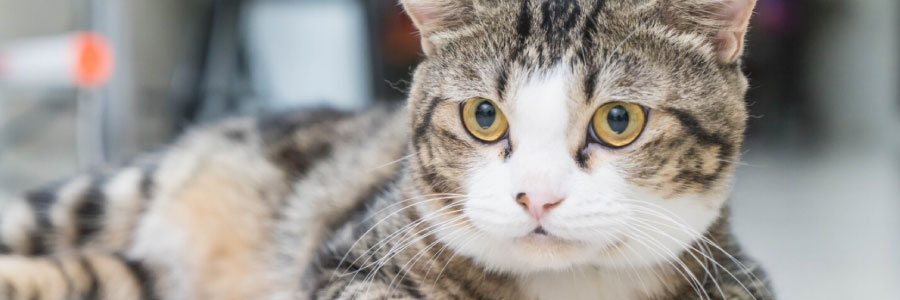
A once-healthy, playful cat nearly lost its life after consuming an unverified pet supplement.The veterinarian said, “Fortunately, you brought it in early — otherwise, the consequences could have been devastating.”It sounds alarming, but unfortunately, this isn’t an isolated incident.
Today’s market is flooded with pet supplements — promising everything from joint protection and shiny coats to stronger immunity and better digestion.But have you ever stopped to ask yourself:
Are these products truly safe?
Are they genuinely compliant with regulations?
These are not just consumer concerns — they’re questions that every professional in the industry should be asking.As someone who has been deeply involved in pet supplement manufacturing for many years,I’ve seen firsthand how many unseen problems lie behind those glossy packages:
regulatory loopholes, lack of quality control, and insufficient transparency.
Unlike the human food and supplement sectors, Taiwan’s pet supplement market still lacks a complete regulatory framework.Many products on the shelves have unclear origins, unverified ingredients, or poorly monitored manufacturing processes.Consumers often don’t know who the manufacturer is, what ingredients are used, or whether those ingredients have been properly tested for contaminants or illegal additives.
We often say, “You are what you eat.”
That truth applies to pets as well — every bite they take affects their long-term health.Supplements are meant to support well-being and enhance quality of life,but without proper oversight, they can easily become a ticking time bomb.
That’s why I want to take this opportunity to shed light on an often-overlooked yet critical topic —the regulations and quality control behind pet supplements.This is knowledge that every brand, manufacturer, and professional in the pet health industry should understand.Because every choice we make — from formulation to labeling to compliance —becomes part of the foundation for our pets’ health and safety.

1. The Booming Yet Concerning Pet Supplement Market: Is Your Pet’s Food Really Safe?
Taiwan’s pet industry has now exceeded NT$50 billion, with over NT$8 billion coming solely from food — including pet feed, snacks, and nutritional supplements.At first glance, the market seems like a prosperous blue ocean, but behind this growth lies a number of hidden risks.According to government data, Taiwan has around 13,000 pet-related businesses, yet not all are willing — or capable — of fully complying with official regulatory standards.We often hear comments like,“That brand is famous and the packaging looks premium — it should be fine, right?”
But here’s the truth: some of the best-selling products on the market don’t even appear in the government’s official Pet Food Registration System,which should immediately raise red flags.Although the government requires all pet food to be properly registered and accurately labeled,
in reality, only a small fraction of companies consistently meet these standards.
At FU-E, we take pride in doing things differently.We currently have over 200 product records registered in the Ministry of Agriculture’s Pet Food Industry Declaration System —each one carefully filed and verified.This number isn’t just a statistic;it represents our commitment to regulatory integrity and our responsibility to both our brand partners and pet health.

2. From Nutrition Labeling to Product Registration — Only Full Compliance Ensures Safe Sales
So here’s the question: What conditions must a legal pet food product meet?
According to Article 22-5 of the Animal Protection Act, any pet food intended for sale or distribution must clearly display the following information on its packaging — without exception:
-
Product name and net weight/quantity
-
Main ingredients and additives used
-
Nutritional components and their content levels
-
Name, address, and phone number of the manufacturer or processor
-
Expiration date or manufacturing date
-
Storage period and method
-
Applicable pet species and other necessary precautions
For pet owners, these can serve as a “safety checklist.”When shopping, take just ten extra seconds to check if the labeling is complete —and even better, visit the Ministry of Agriculture’s Pet Food Registration System to verify whether the product has indeed been properly declared.

And if you’re planning to develop or sell pet health supplements, there’s a bit more you need to know.Every new product must be officially registered within 30 days after manufacturing, through the Ministry of Agriculture’s designated reporting system. The required submission includes:
-
Basic company/manufacturer information
-
Factory registration documents
-
Product composition, dosage form, and intended use
-
Outer packaging design and label content
-
Source and intended purpose of ingredients or nutrients
You can imagine — the process is quite detailed and time-consuming.But that complexity serves a purpose: it’s the first line of defense for pet safety.A legally compliant, properly registered pet supplement can withstand scrutiny — and doesn’t need to fear comparison.
3. Violations Will Now Cost You — A New Era of Pet Supplement Regulation Has Begun
In recent years, the government has actively strengthened policies surrounding pet food safety, including the creation of a Pet Management Division, the drafting of a Pet Food Management Act, and, in 2024, the introduction of new penalty guidelines for exaggerated or false advertising.However, on-the-ground enforcement still faces many challenges.
One key issue is the low frequency of random inspections.
Even in Taipei City, which has more administrative resources than most regions, the average annual inspection rate remains very low compared to the total number of pet products on the market.
Based on 2023 data, the inspection coverage rate was roughly 0.8%, meaning it would theoretically take over 100 years to test every product currently available.
While not a precise statistic, it highlights the gap between regulatory capacity and real-world product circulation.
Moreover, most inspections still focus primarily on label compliance, with far fewer tests conducted for ingredient verification, heavy metals, or microbial contamination.
This gap allows some products with flawless packaging to conceal internal quality issues — including multiple reported cases of excess mercury and cadmium found in “premium” supplements.
At the same time, due to historically loose oversight, many brands continue to make non-compliant marketing claims such as “improves arthritis” or “makes fur thicker and shinier.”
Under the July 2024 regulations, such wording is explicitly prohibited.
Violations are punishable under Articles 19-1 and 39 of the Animal Drug Control Act, with fines ranging from NT$200,000 to NT$1,000,000.
Yet, these claims still appear frequently across e-commerce listings and social media, leaving consumers unable to distinguish genuine products from misleading ones.
This evolving regulatory environment presents both pressure and opportunity for manufacturers and brands who genuinely operate within the law.
By building rigorous compliance systems early, ensuring full alignment between product content and labeling, and educating partners on proper advertising practices, we can not only survive — but lead — in this tightening market.
At FU-E, we’ve made this our standard.From raw material inspections and analytical testing of every ingredient to regulatory review of product labeling and advertising, we never compromise.We believe that regulations are not barriers to innovation, but the foundation for long-term trust and sustainable growth.If you’re looking for a manufacturing partner who not only understands the regulations but knows how to implement them efficiently and creatively,FU-E is the partner you can trust.

4. The Responsibility of a Pet Supplement Manufacturer: Delivering Not Just Products, but Peace of Mind
At FU-E, compliance is not a checkbox — it’s part of our daily operations.We don’t aim to simply “meet the minimum standard.” Our goal is to give our partner brands 100% confidence and trust.Every pet supplement we formulate and manufacture is built on a foundation of integrity and safety.
Throughout the entire production process, we implement the following practices:
-
All products are legally registered and traceable through the official Ministry of Agriculture system
-
Labels are clear, transparent, and include full disclosure of ingredients and nutritional information
-
Each production batch undergoes rigorous testing — from raw material to finished product — with strict quality control at every stage
-
We reject exaggerated or therapeutic claims, ensuring all marketing and labeling reflect honest product efficacy and proper usage guidance
We believe that the true measure of pet food quality is not just taste, but safety and honesty.If you are an entrepreneur planning to develop your own pet supplement line, we’d be glad to be your trusted partner.We offer end-to-end services — from professional formulation design to contract manufacturing — and understand how to create products that meet legal standards while building lasting market credibility.
With FU-E, your brand development journey will be worry-free, trustworthy, and truly dependable.
5. Building High-Trust, High-Value Pet Supplements Together
In the coming years, regulations governing pet food and supplements will continue to evolve — becoming more transparent, systematic, and professional.We welcome these changes. They represent not only industry progress, but also genuine respect for pets.FU-E will continue to advance in research, development, and manufacturing, while also sharing our expertise in pet nutrition.We are committed to supporting every brand that wishes to enter the pet health market, helping them create products that are safe, compliant, and trusted by consumers.
Together, let’s protect every pet — starting with every single bite they take — and build a healthier, more trustworthy future for the pet supplement industry.If you are interested in developing your own pet health supplement brand, we invite you to contact our product consultants via LINE@ for more information and personalized guidance.
https://amdrug2.aphia.gov.tw/news/detail/107
https://petfood.moa.gov.tw/Web/Food
相關文章
Developing Cat-Specific Health Supplements: Key Design Details You Can’t Afford to Overlook

2024 Pet Healthcare Market Trends: Development Ideas for Pet Brands
